Living with multiple sclerosis (MS) brings daily challenges that can impact how a person moves, feels, and functions. From muscle weakness and fatigue to difficulty walking or balancing, the symptoms of MS vary widely but often affect daily life. Fortunately, physical therapy offers a powerful path to improved mobility, strength, and quality of life.
Whether you’re newly diagnosed or have been managing MS for years, this guide will explore how physical therapy plays a critical role in supporting your health and independence.
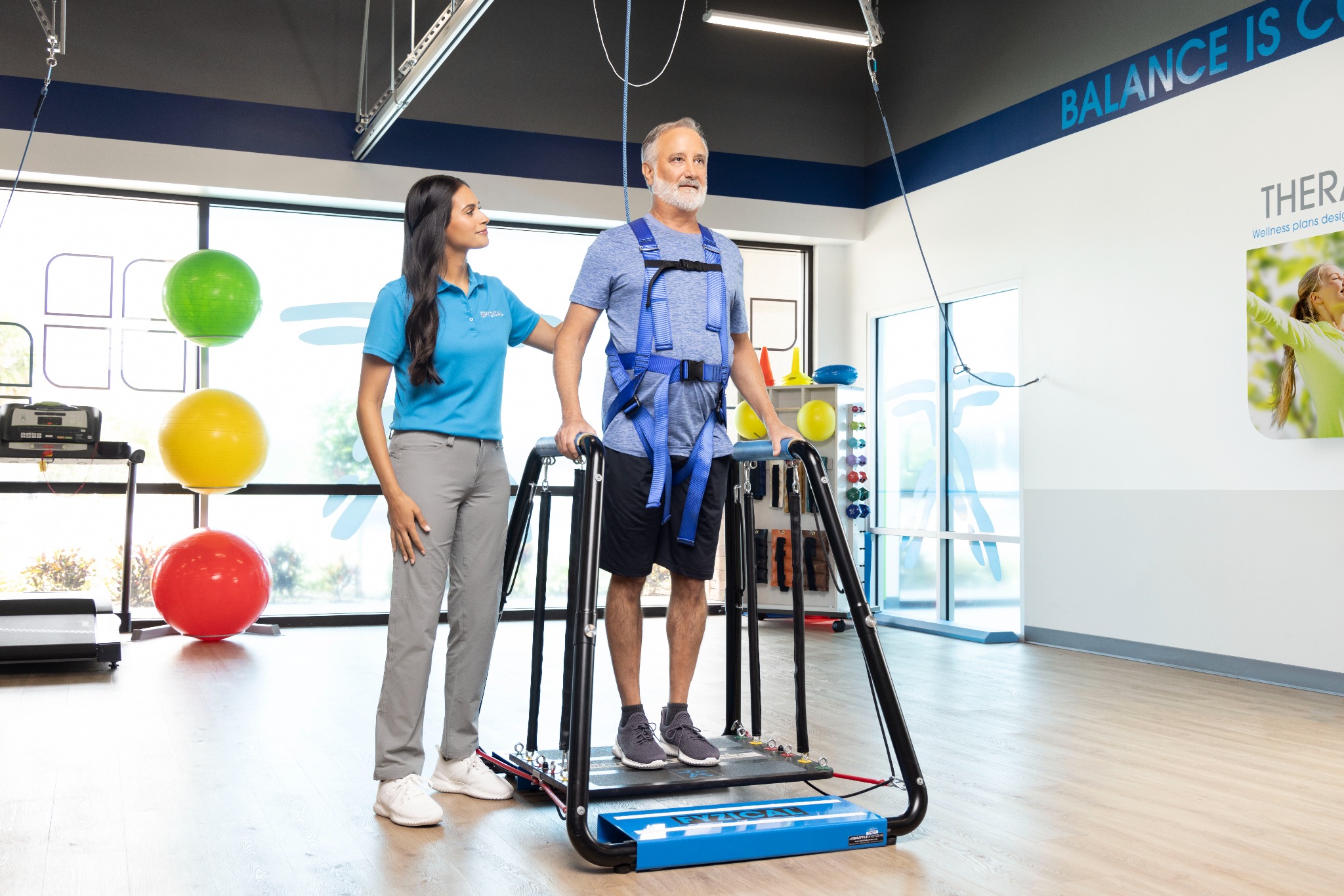
Introduction to Multiple Sclerosis
Multiple sclerosis (MS) is a long-term condition that impacts the central nervous system, especially the brain and spinal cord. It occurs when the immune system mistakenly attacks the protective sheath (myelin) that covers nerve fibers. This disrupts communication between the brain and the rest of the body.
Over time, the nerves themselves can become damaged. The result? A wide range of symptoms that differ from person to person. Common symptoms include:
- Fatigue and muscle weakness
- Difficulty walking or standing
- Numbness or tingling in the limbs
- Trouble with balance and coordination
- Blurred or double vision
- Memory and concentration issues
Symptoms may appear in episodes and can worsen gradually. Despite the unpredictability of MS, many people find ways to manage it effectively—often with the help of physical therapy.
The Role of Physical Therapy
Physical therapy (PT) helps people with MS stay active, independent, and engaged in everyday life. It’s not just about doing exercises; it’s about tailoring movement strategies to your unique needs and goals.
Here are some key ways PT helps:
- Improves strength and muscle control
- Reduces pain and stiffness
- Enhances balance and coordination
- Boosts energy and reduces fatigue
- Promotes independence in daily tasks
Physical therapists evaluate your abilities and challenges, then develop a customized plan to support your mobility and well-being. Over time, PT can lead to greater confidence and a more active lifestyle.
Assessment and Personalized Planning
Before starting therapy, a comprehensive assessment is essential. This evaluation allows the therapist to understand your specific limitations and develop a plan that works best for you.
What’s included in the initial evaluation?
- Muscle strength and flexibility tests
- Balance and coordination checks
- Mobility assessments (e.g., walking, sitting, standing)
- A review of daily routines and challenges
This one-on-one evaluation forms the foundation for your customized treatment plan. It also helps set achievable goals and track progress along the way.
Why does personalization matter?
Because no two people with MS experience the same symptoms. What works for one person may not work for another. Personalized PT ensures you get the right support, at the right pace, for your journey.
Exercise and Strength Training
One of the main pillars of MS physical therapy is exercise. Done properly and consistently, exercise can dramatically improve strength, stamina, and daily function.
Types of exercises used in PT:
- Strength Training: Builds muscle power using light weights or resistance bands. Helps reduce fatigue and improves walking and lifting ability.
- Aerobic Exercise: Activities like walking, swimming, or cycling help support cardiovascular health and energy levels.
- Stretching: Keeps muscles flexible and reduces stiffness. Yoga, gentle movements, and guided stretches are often included.
- Balance and Coordination Training: Helps prevent falls and improves everyday stability.
- Breathing Exercises: Supports relaxation, focus, and stamina, especially during flare-ups.
These exercises can often be done at home with simple equipment. Your therapist will show you proper techniques and make sure you’re performing each movement safely.
Balance and Coordination
Many individuals with MS experience unsteadiness or poor coordination. These challenges increase the risk of falls, making it hard to walk or perform routine activities.
Balance training in PT includes:
- Standing on one leg
- Walking heel-to-toe in a straight line
- Using wobble boards or foam surfaces
- Practicing side steps or stepping over obstacles
Coordination exercises may include:
- Catching or throwing a ball
- Tapping feet to a rhythm
- Reaching or pointing tasks to improve limb control
These activities are designed to improve how the body responds to movement. With regular practice, tasks like getting out of bed, cooking, or walking outdoors become easier and safer.
Mobility Aids and Assistive Devices
As MS progresses, many people benefit from mobility aids to maintain their independence. These devices help with balance, reduce fatigue, and prevent falls.
Common Mobility Aids
- Canes – Light and easy to use for mild instability
- Walkers – Offer greater support and often include wheels for easier movement
- Crutches – Best for short-term use or when strength is limited
- Wheelchairs – Manual or electric; used for long distances or when walking is too tiring
- Leg Braces (Orthotics) – Help stabilize joints and improve walking patterns
Choosing the Right Aid
Selecting the right tool depends on your strength, balance, environment, and lifestyle. A physical therapist can help you test different options and ensure a proper fit. Comfort, safety, and ease of use are key considerations.
Home Exercise Programs
A consistent home routine complements in-clinic therapy and supports long-term improvements. Your therapist will guide you in developing a program you can follow at home.
How to build a successful home exercise plan:
- Start with gentle stretches each morning
- Add light strength exercises like wall push-ups or seated leg lifts
- Include balance drills, such as standing with feet together or on one leg
- Choose a specific time each day to stay consistent
- Use a journal or app to track your progress
Stick with your program even on tough days. Progress may be slow, but every small gain counts. Consistency leads to noticeable improvements over time.
Living With Multiple Sclerosis
Managing MS goes beyond physical therapy—it involves taking care of your body, mind, and environment.
Lifestyle Tips for MS Management
- Stay Active – Gentle activities like yoga, tai chi, or water aerobics can improve flexibility and reduce stiffness.
- Eat Well – Choose anti-inflammatory foods, including leafy greens, berries, nuts, lean proteins, and omega-3 fatty acids.
- Prioritize Rest – Sleep helps your body recover. Aim for 7–9 hours each night.
- Manage Stress – Use relaxation techniques like deep breathing, journaling, or meditation.
- Stay Cool – Heat can worsen symptoms. Wear breathable clothing and avoid hot showers.
- Build a Support Network – Join MS support groups, either locally or online, to share experiences and receive encouragement.
Also, work with other healthcare providers—such as occupational therapists, speech therapists, and neurologists—for a complete care plan.
Success Stories
Many individuals with MS have experienced significant improvement through physical therapy. Their stories provide hope and inspiration for others.
- John, age 45, struggled with balance and frequent falls. After 10 weeks of guided PT, he now walks confidently with a cane and can navigate stairs again.
- Maria, age 38, had difficulty lifting her arms and getting out of bed. With regular therapy and stretching, she regained strength and now performs household tasks independently.
- Lena, a retired teacher, said, “PT gave me my life back. I feel more in control, and I’m no longer afraid to move.”
These real-life experiences show the power of perseverance and professional support. Everyone’s journey is unique—but all can benefit from the right care.
Future of Physical Therapy for MS
The future of MS treatment is bright, thanks to ongoing research and technological innovation. Physical therapy is evolving with exciting new tools and approaches.
Promising Trends
- Wearable Technology – Sensors track your movement and provide real-time feedback.
- Virtual Reality (VR) – Engaging programs help improve balance and coordination in a fun, immersive way.
- Telehealth PT – Offers access to therapy from the comfort of home, especially useful during flare-ups.
- AI-Based Analysis – Helps therapists tailor more effective plans based on detailed movement data.
- Robotic Aids and Exoskeletons – Provide support for walking and exercise in severe cases.
As these advancements become more common, physical therapy will become even more personalized and accessible.
Frequently Asked Questions
What does a physical therapist do for multiple sclerosis?
A physical therapist helps manage MS by designing exercises that improve strength, mobility, and balance. Therapy reduces symptoms and helps patients maintain their independence.
What are three treatments that help cope with MS?
- Medications to manage symptoms and slow progression
- Physical therapy to maintain function and reduce pain
- Lifestyle changes such as healthy eating, exercise, and stress management
What are the best PT exercises for MS?
Stretching, low-impact aerobic exercises (like swimming), strengthening movements, and balance drills are commonly recommended.
What shouldn’t you do if you have MS?
Avoid overexertion, overheating, high-stress environments, and skipping prescribed treatments or medications. Always follow your therapist or doctor’s advice.
Conclusion
Physical therapy is a powerful tool for managing multiple sclerosis. It offers more than just exercises—it provides support, education, and hope. With the help of a skilled therapist, MS patients can improve mobility, reduce symptoms, and regain control of their lives.
Every journey begins with a single step. Whether you’re working to improve balance, regain strength, or simply move more confidently, physical therapy can help you move forward—one goal at a time.
 There are endless benefits of installing a sliding door over your traditional type of door. For one, you never have to worry about having a door being in someone way. one of the smallest benefits as well! In many situations, a sliding door is one of the wisest choices that you can make for the interior of your house.
 The custom sliding closet door is not something new in the sphere of design interior. What is more, this trend has become so widely used in both residential and commercial places, that there is left only to wonder how designers are still managing to think of new and more original ways to interpret simple sliding closet doors.
 According to the Surgeons’ Association, 70% of people have their wisdom teeth removed and 80% of those who don’t end up having problems within just seven years. For this reason, instant removal of wisdom teeth seems to be the most common action taken by dentists and oral surgeons.
 Hands up anyone who has found navigating single parenthood easy? No one can claim this honor because, if we are completely honest, parenthood in general just seems to be a case of stepping from one minefield to another – and when you add into the mix that it’s just you on your own, things can start to feel a little overwhelming. This is especially true for parents who work as well as raise their kids single handedly, and when you work in a medical profession such as dentistry, it’s no surprise that many dentists who are single parents just throw up their hands in the air and wonder whether they will ever be able to get the balance right between being a working professional, and being Mom or Dad.
 There are hundreds of thousands of single parents living within the city limits of New York, and although each of them have their own difficulties and struggles, there are some problems that they experience which are common to all. For some, it’s the panic around school and whether their child or children will be able to be comfortable and happy, thriving and learning. For others, it is the delicate relationship that they struggle to maintain with their ex-partner, the other parent of their child. But for some, the troubles are specific: and for single parents who are also dentists, some of the struggles can feel completely overwhelming.