 You chipped a tooth, you made a dentist appointment, now what? What should you expect when you visit the dentist? Treatments vary depending on where the chipped tooth is located in your mouth and the severity of the chip.
If a tooth is just slightly chipped, the dentist may repair it with a filling. If the chip is in one of your front teeth, your dentist might choose to repair it with a tooth-colored composite resin. This process is called bonding. It can typically be done without numbing your mouth. The first step in the process of bonding is to roughen the tooth’s surface with a special liquid or gel so the bonding material will be able to adhere to the tooth. In the next stop the dentist applies an adhesive to the tooth, before finally applying the bonding material. The dentist then shapes the bonding material to look like a natural tooth. The final step in the procedure is to shine an ultraviolet light on the tooth to harden the bonding material. This tooth repair can be done in one visit to the dentist’s office.
A dental veneer is another way to repair a chipped tooth. This is a thin shell of tooth colored porcelain or resin composite material that lightly covers the entire front of the tooth. The section over the chip will be slightly thicker than that over the rest of the tooth.In order to prepare your tooth, the dentist will remove a very thin layer of enamel from the tooth’s surface. Then the dentist will make an impression of the tooth to be sent to a lab. The veneer will be made in the lab and returned to the dentist. This usually takes a week or two. When you return to the dentist, s/he will use a liquid to roughen the surface of the tooth, much like with the bonding process. Finally, the dentist will apply a special cement to the veneer and then place the veneer onto the tooth. A special light is used to make the cement harden quickly.
For a large chip, or broken tooth, the procedure is more complicated. The dentist will have to put a crown or cap on the tooth. This will require more than one trip to the dentist. At the first visit the dentist will take x-rays to make sure the roots of the tooth and the surrounding bone are in good shape. Providing everything checks out, the dentist will numb the area and remove a section of the remaining tooth to make space for a crown. The next step is when the dentist uses a putty-like material to make an impression of the chipped tooth as well as the tooth it will bite down on to. The impression is then sent to a lab where the crown will be constructed. To protect the tooth while you wait for the crown, the dentist will give you a temporary crown. These are made of acrylic or thin metal.
It may take two or three weeks before you return to the dentist for your permanent crown. At this visit, the dentist will put the permanent crown in place and check to make sure it fits correctly into your mouth. After the dentist has verified the crown fits properly, s/he will cement it into place with a permanent adhesive.
 Science and medicine are always moving forward, and it is amazing to think that in the last thirty years so much has been achieved. People are living longer and most importantly healthier lives, and that is brilliant – but the trouble is, we have to trust our doctors and dentists are totally up to speed with the latest developments. We are trusting every single person that takes care of us that they are reading the right research, checking with the specialists, and passing on those amazing advances in knowledge onto us. The real worry is when they do not do that, and it is huge problem with dentistry.
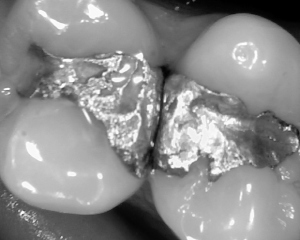 Mercury is a huge issue, especially in the dental industry. You may have heard a bit of talk about mercury free dentistry and wonder why it all matters. Here, we will tell you more about the dangers behind mercury. Mercury is a metal that is used in traditional dentistry to create silver colored fillings. Mercury free dentistry, though, gives patients a choice about their health, as well as environmental health. If you are curious to learn more about the truth concerning mercury and dentistry, then simply read on.
 When we were all children, there were some things that we just hated to do. Whether it was keeping our rooms tidy, doing our homework, and not fighting with our siblings, there were all difficult, boring, or a mixture of the two. But the ultimate and very worst for many people is the classic brushing of the teeth. Of course, from a very young age we are taught to brush our teeth at least twice a day, to ensure that our teeth and gums remain as health as possible for as long as possible – but that does not make it fun!
 Have you ever considered taking botox training? It’s not a bad idea in this day and age. People are in the market to look younger longer, and botox therapy is one very common way that they achieve that.